
current location:Home>news>video
Air-conditioning chillers in stations and depots account for about 20% of the total energy consumption of MTR stations and depots. MTR is replacing chillers on a large scale, aiming to cut air-conditioning electricity use by about 20% by the end of 2026. This article documents one rollout involving MULTISTACK Jiefeng: a total of 11 units have been retrofitted at three passenger stations—Mong Kok, Fortress Hill, and Causeway Bay—and Tseung Kwan O Depot.
01 An invisible mega-project: MTR is giving station cooling sources a “heart transplant”
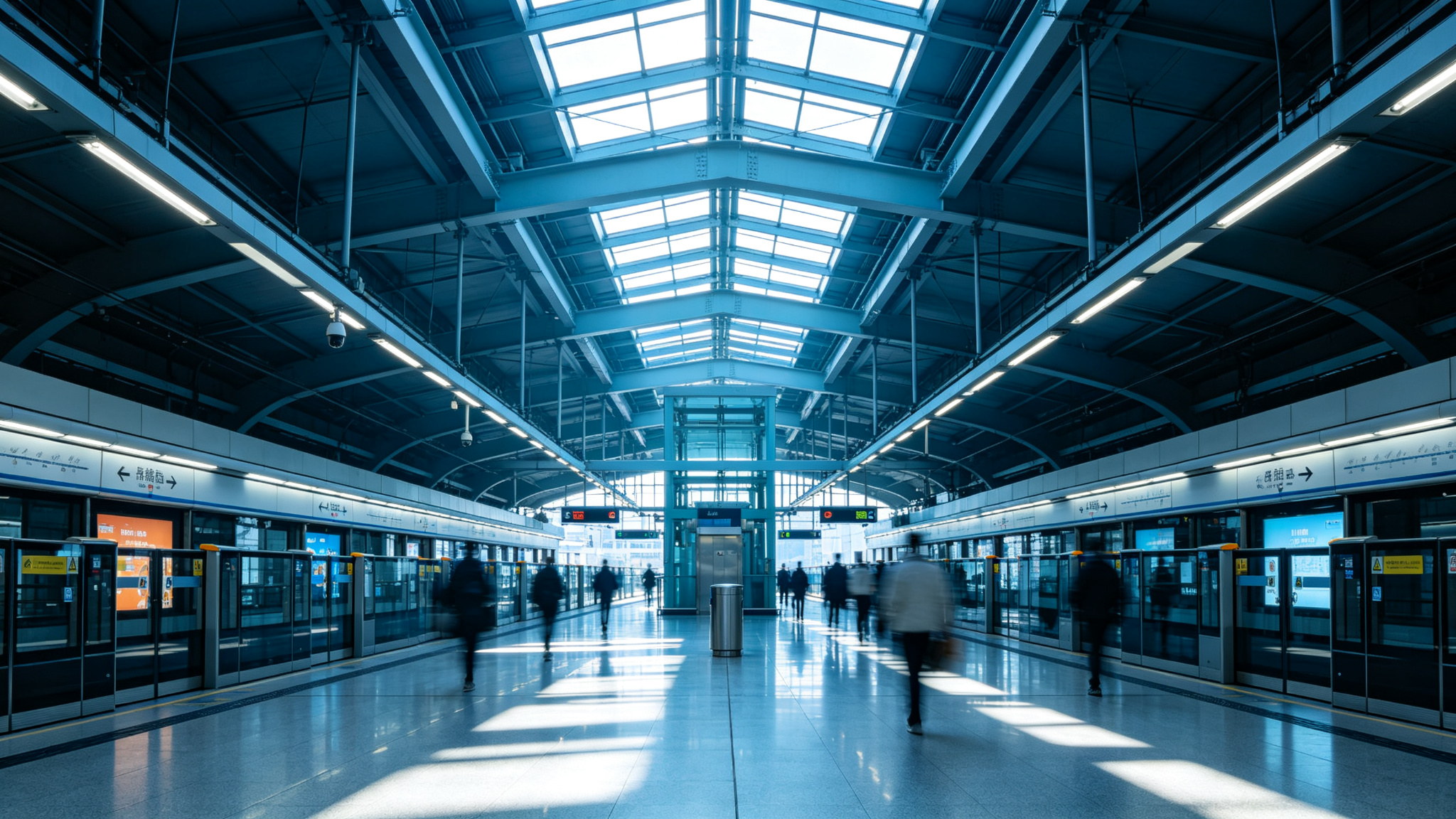
Hong Kong’s MTR has dense stations, pronounced passenger-flow peaks, and compact spaces, placing almost extreme demands on its air-conditioning systems. The bit of coolness passengers feel is backed by the continuous operation of the chiller-based cooling source system.
MTR is advancing the chiller replacement in two phases: Phase 1 was completed in 2022, covering 35 stations and 4 depots; Phase 2 involves 12 stations and 31 chillers, is planned for completion by the end of 2026, and is expected to save about 20% of air-conditioning electricity.
02 Why MULTISTACK Jiefeng: The technical logic of magnetic levitation and variable-frequency screw technology
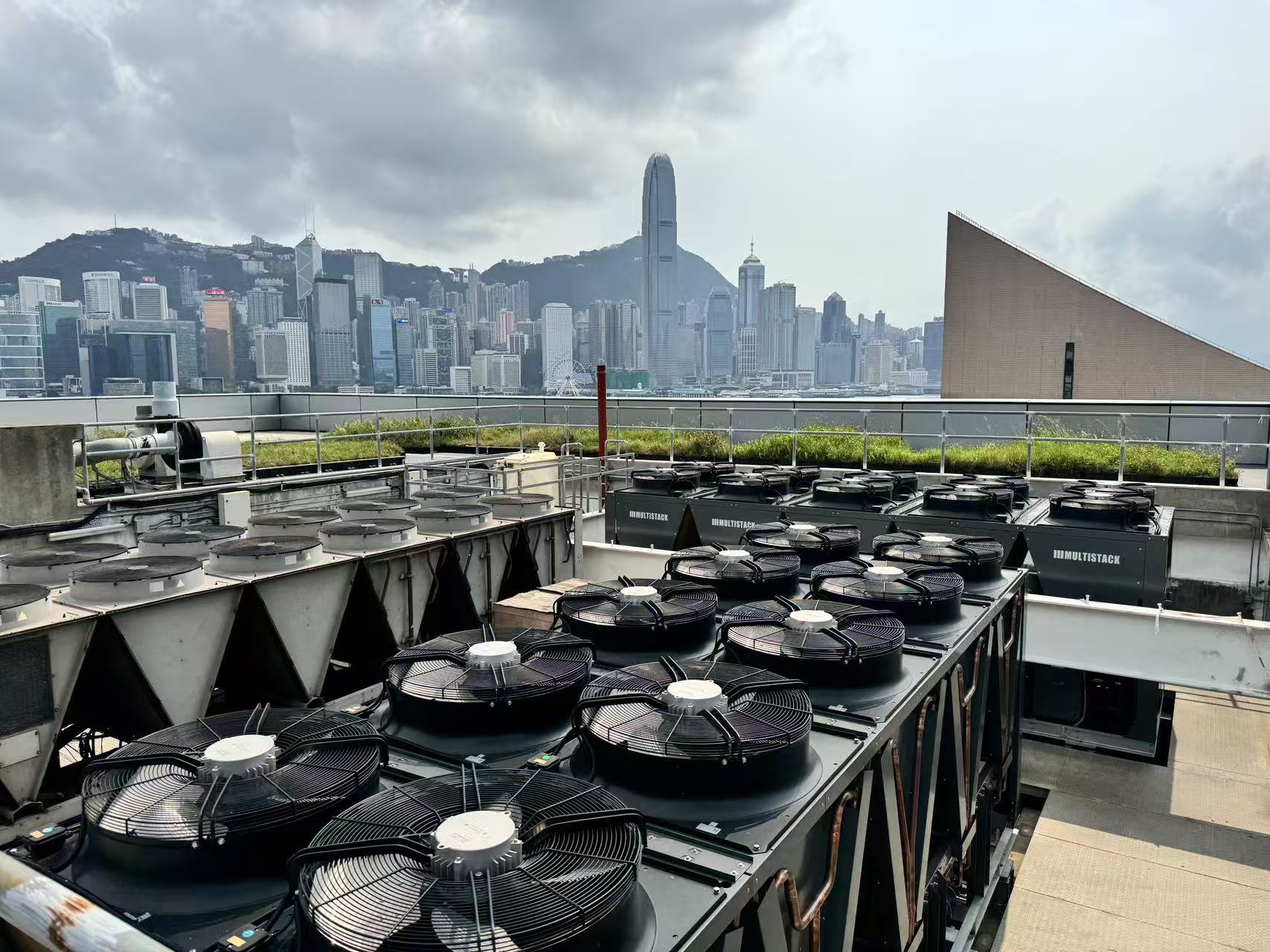
(MULTISTACK units on a rooftop platform, alongside the Hong Kong city skyline.)
Oil-free magnetic levitation centrifugal chiller (Mong Kok Station MTW200MF): Magnetic bearings allow the compressor main shaft to run at high speed with no mechanical contact and oil-free operation, with ultra-low noise, low vibration, and excellent part-load efficiency.
Air-cooled variable-frequency screw chillers (MVSA series at Fortress Hill, Causeway Bay, and Tseung Kwan O Depot): 20%–100% stepless adjustment, cooling output on demand, precisely matching passenger-flow peaks and valleys; the entire series is AHRI certified.
MULTISTACK Jiefeng is the inventor of magnetic levitation air conditioning and modular chillers—it pioneered modular central air-conditioning technology in 1985, with patents covering more than 40 countries and regions worldwide. The modular design allows units to be brought in without large-scale hoisting, making it a good fit for compact station spaces and limited retrofit conditions.
03 Retrofitting a metro system that “cannot stop”: How each demanding scenario was addressed
Cooling source equipment for rail transit cannot avoid four keywords:
Uninterrupted—multi-compressor design provides inherent redundancy, so servicing a single unit does not affect cooling supply;
High efficiency—part-load advantages translate directly into lower electricity bills and carbon emissions;
Space saving—compact design fits existing buildings;
Retrofit-friendly—replacement must balance compatibility with the original system and the construction schedule, which is exactly the focus of MULTISTACK Jiefeng’s customized solutions.
04 From four stations to a city: A low-carbon model for green rail transit
MULTISTACK Jiefeng’s cooperation with MTR goes beyond these four stations: since 2022, it has provided high-efficiency cooling solutions for multiple MTR stations including Kowloon Bay, Mong Kok, and Tsim Sha Tsui, and more than ten MTR stations in Hong Kong are now running MULTISTACK Jiefeng units. From a single piece of equipment to an entire city, the value of energy-saving cooling sources will continue to be realized over the coming decades.
Closing note
The next time you walk into an MTR station and feel the cool air greeting you, you may not think of it: what sustains this comfort is chiller after chiller hidden deep in equipment rooms, almost never noticed. They run quietly, using efficiency and stability to safeguard the daily arrivals and departures of ten million people.
